The Relationship Between Vitamin B17 and Amygdalin
What Is Vitamin B17?
Vitamin B17 is a commonly used term in public and industrial contexts, typically referring to a natural plant compound known as Amygdalin.
It should be noted that “Vitamin B17” is not officially recognized as a vitamin in mainstream nutrition science, but rather a conventional name.
Are Vitamin B17 and Amygdalin the Same Substance?
From a chemical perspective, Vitamin B17 generally refers to Amygdalin itself.
“Vitamin B17” is mainly a historical or contextual term, while “Amygdalin” is the standardized name used in scientific research and industrial applications.
Where Does Amygdalin Occur Naturally?
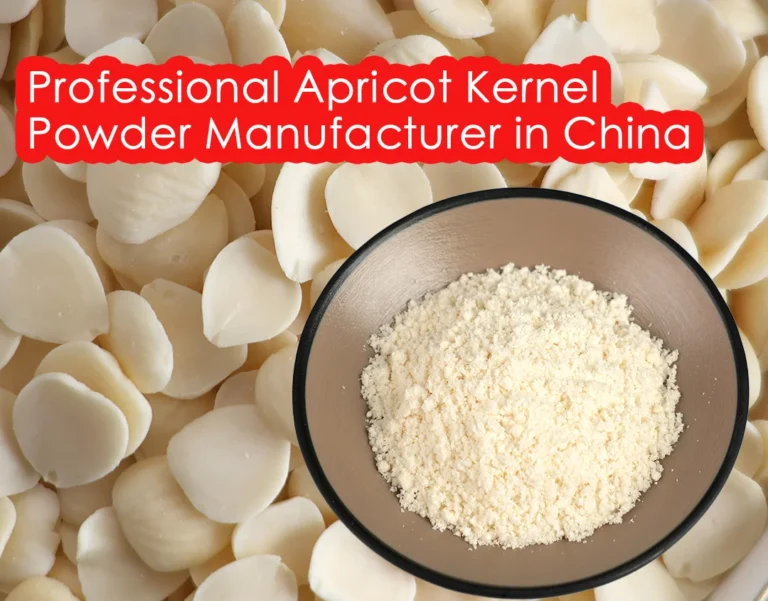
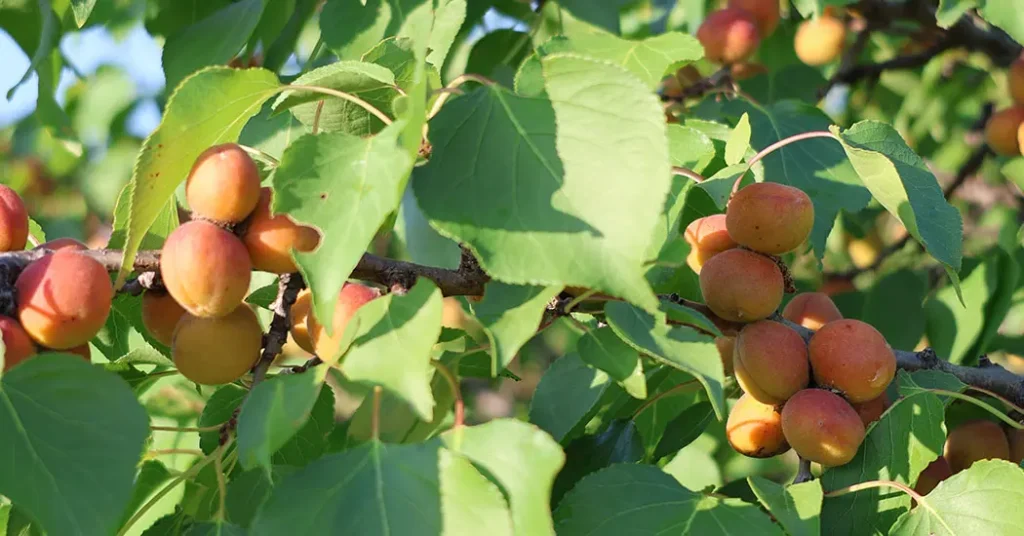
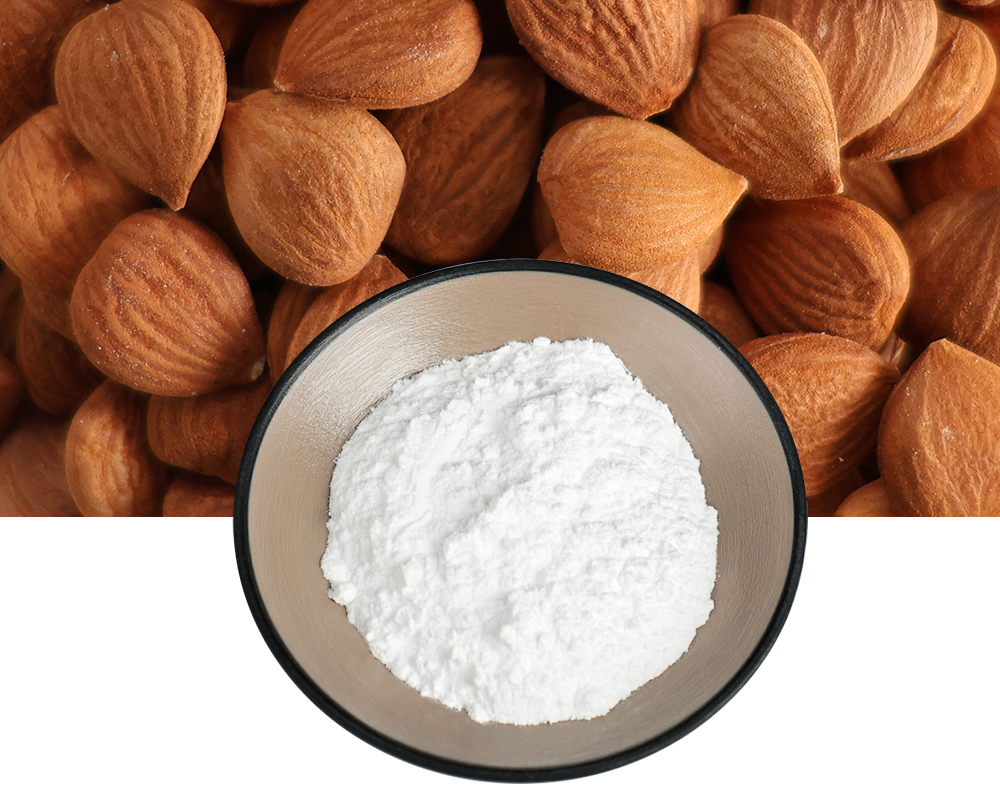
Amygdalin occurs naturally in various plants, particularly in the kernels of plants from the Rosaceae family.
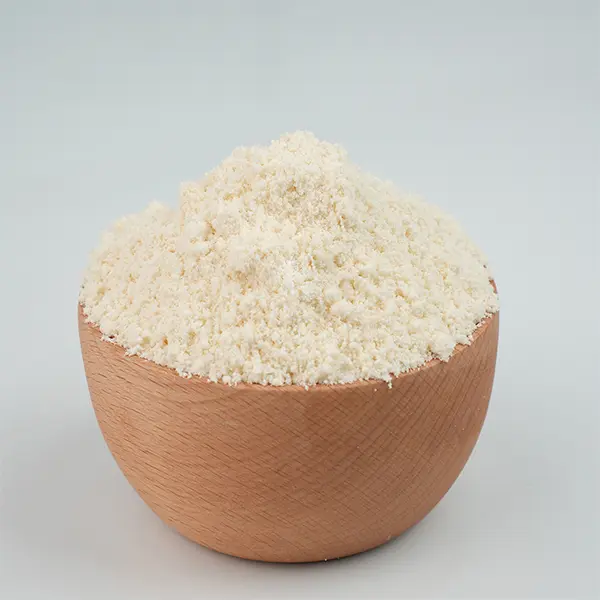
Bitter apricot kernels are considered one of the most representative sources and are frequently referenced in both traditional contexts and modern research.
Why Is “Amygdalin” Preferred Over “Vitamin B17” in Modern Use?
In modern research, manufacturing, and international trade, accuracy and verifiability are critical.
As a clearly defined chemical name, “Amygdalin” is more suitable for material specifications, quality control, and technical documentation.
What Is the Difference Between Natural Sources and Standardized Ingredients?
Amygdalin levels in natural plants vary depending on species, growing conditions, and maturity.Standardized ingredients are produced through extraction, purification, and controlled processes to achieve consistent composition for regulated applications.
Why Is This Distinction Important for B2B Buyers?
For B2B buyers, understanding the true origin and terminology of ingredients helps reduce compliance risks and improves sourcing transparency.
This clarity is one of the fundamental expectations in international markets.
Conclusion|Beyond Names, Source and Standard Matter
Whether referred to as “Vitamin B17” or “Amygdalin,” its relevance lies in transparent plant sourcing, standardized processing, and consistent quality management.
A rational understanding of these relationships supports safer and more sustainable use.